
Riyadh eager to host Expo 2030
This summer the Kingdom of Saudi Arabia unveiled its plan for Riyadh Expo 2030 during an official reception organized by the Royal Commission for Riyadh City in Paris.This summer, Saudi Arabia unveiled its bold plan for Riyadh Expo 2030 in a formal reception organized by the Royal Commission for Riyadh City in Paris. Nearly 180 delegates from member states of the Bureau International des Expositions attended, underscoring the international interest in the kingdom’s bid to host a World Expo from October first, twenty thirty to March thirty first, twenty thirty-one. The crown prince, Mohammed bin Salman, had previously submitted the bid in writing to the BIE, signaling not just a calendar of events but a strategic moment for the region on the world stage.
The Paris presentation laid out a vision of the World Expo as more than a showcase; it aspired to deliver an exceptional global experience that would mark a turning point in the history of Expos. The central theme, Together for a Foresighted Tomorrow, captures an invitation to collaborate across cultures and disciplines to confront shared challenges with imagination and resolve. Jack Lang, the president of the Arab World Institute and France’s former minister of culture, captured the sentiment, noting that “Arabia has a history, a civilization, and powerful moments in the life of the world.” He called choosing Riyadh for an upcoming World Expo a smart and visionary decision, a verdict that resonates beyond political calendars and into the realm of cultural credibility and forward-looking leadership.
Strategically positioned near the King Salman International Airport—a site that is still under development—the Riyadh Expo would be highly accessible to visitors from around the globe. The plan leverages the city’s growing infrastructure, with the Riyadh Metro network promising rapid connections to the exhibition site and to three entrances, complemented by a modern road network designed for efficient circulation. This accessibility is not incidental; it is a deliberate design choice intended to minimize travel friction and maximize the experience of discovery for every guest.
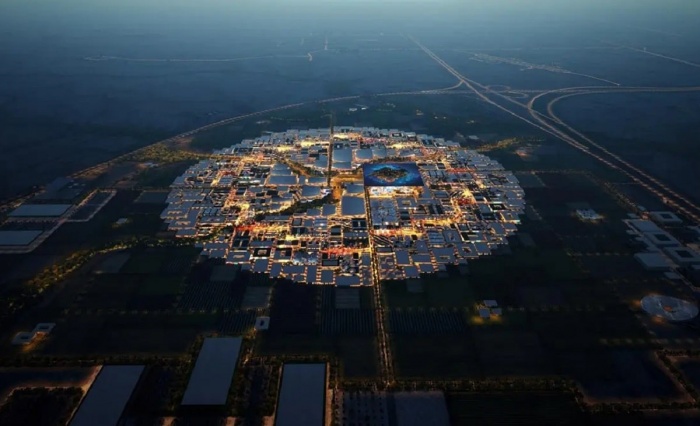
The architectural concept centers on a striking, spherical arrangement of pavilions, with an equator running through them to symbolize equality and inclusivity for all participants. The initial estimate places the number of exhibition pavilions at about two hundred twenty-six, each crafted to reflect a universal sense of opportunity and shared celebration. A key promise accompanying the design is an ambitious commitment to delivering an unprecedented level of quality for more than forty million visitors, a statement underscoring the scale and seriousness of the undertaking. Lamia Bint Abdulaziz, a member of the Riyadh Expo 2030 blueprint team, emphasizes this pledge, signaling confidence in a seamless, high-caliber guest experience.
The design philosophy draws deeply on Riyadh’s own urban heritage, weaving in elements of ancient city life, architectural language, and an intimate connection to nature. Beyond symbolism, the plan also foregrounds climate responsibility and a forward-looking mindset, portraying the Kingdom’s aspiration to participate in global conversations about resilience, innovation, and sustainability. In an ambitious touch, pavilion placement will be determined flexibly based on longitudinal considerations, enabling participants from the northern and southern hemispheres to sit side by side. This approach is more than logistical convenience; it is a metaphor for global cooperation—an invitation to align diverse perspectives in the service of a common future.
Navigating the grounds would be designed for ease and delight. Traversing from one pavilion to another, visitors could expect short, intuitive journeys that weave through open public squares, cultural venues, and innovation hubs, all connected by a cohesive circulation network. The planners envision shaded corridors that reflect Riyadh’s architectural heritage, offering comfortable pathways even in peak daylight and turning a walk between national showcases into an experiential pilgrimage rather than a mere transit between exhibits. The idea of shading is more than a climate measure; it is an invitation to pause, reflect, and savor the moment of connection with cultures worldwide.
A central feature of the experience is a modern green oasis nestled within one of the Wadi As-Sulai tributaries that threads through the site. This verdant enclave would serve as a living counterpoint to the dynamic, futuristic pavilions, providing a breath of cool, restorative air amid a landscape that celebrates human ingenuity while honoring the rhythms of the natural world. The oasis symbolizes a broader commitment to sustainable urban design, where architecture, landscape, and water are harmonized to enrich visitor experience and illuminate a path toward a more harmonious coexistence with the planet.
The Riyadh Expo plan is also a narrative about accessibility and inclusion. The flexible layout of pavilion locations—arranged with an eye toward longitudes and cross-cultural adjacency—aims to minimize wasted movements and maximize opportunities for spontaneous encounters. It is a design that treats guests not as distant observers but as active participants in a living dialogue, moving gracefully from one cultural pavilion to another and to shared public spaces, where ideas are debated, partnerships are formed, and mutual understanding is nurtured. In this sense, the Expo becomes a marketplace of ideas as well as a showcase of national hospitality—a place where a quiet, thoughtful moment can become a catalyst for global collaboration.
The Riyadh Expo project also signals a broader strategic narrative for Saudi Arabia: a commitment to being a fulcrum of regional and international exchange, a nation that is not only investing in monumental architecture and world-class events but also shaping the way such gatherings are conceived, hosted, and remembered. In the words of the planners and cultural commentators who have weighed in on the plan, this is more than a temporary showcase; it is a defining moment—an opportunity to demonstrate leadership, innovation, and generosity of spirit on a stage that reaches beyond the Arabian Peninsula.
For observers and participants, the invitation is clear: to imagine a future in which a World Expo acts as a bridge, linking diverse peoples and ideas. The Riyadh proposal presents a compelling blueprint for a global gathering designed to celebrate humanity’s creativity while addressing the urgent realities of climate stewardship, sustainable development, and cross-cultural cooperation. As the project moves from proposal to possible realization, it holds the promise of delivering not only a spectacle of grandeur but also a meaningful stimulus for science, culture, and enterprise to come together in service of a more foresighted tomorrow.
To learn more about the World Expo framework and the specifics of the Riyadh bid, you can visit the official pages of the organizing bodies that guide these grand exhibitions. BIE Paris Official Page provides authoritative context and updates on participating nations, timelines, and the evaluation process. You can explore further at this resource: BIE Paris Official Page. The exchanges and collaborations surrounding Riyadh’s proposal have also attracted global media attention, with coverage highlighting the scale of ambition, the cultural resonances, and the environmental considerations that frame the plan. As discussions continue, the world watches with a mixture of anticipation and resolve, ready to witness how a vision rooted in heritage and driven by innovation could unfold into a transformative shared experience.
In the end, Riyadh Expo 2030 stands as a testament to a city and a country choosing to imagine a future where global cooperation is not an abstract ideal but a practical, lived reality. It is a call to action for governments, businesses, researchers, and citizens to contribute to a gathering that aspires to leave a lasting imprint on the way we live, work, and relate to one another. If realized, the expo would not only illuminate Saudi Arabia’s leadership on the world stage but also illuminate a path toward a more inclusive, sustainable, and hopeful shared tomorrow. The message is clear: together, we can shape a future that is wiser, more resilient, and profoundly inspiring for generations to come.
Recent Comments
No reviews yet.